Overview
Hell Let Loose: Vietnam has 17 battle roles across command, infantry, recon, armour, helicopter, and mortar units. New players should start with infantry roles before moving into squad leader, commander, armour, helicopter, or mortar duties. The role you pick should support the squad's current job, not just your preferred weapon.
Role List
| Unit | Roles |
|---|---|
| Command | Commander |
| Infantry | Squad Leader, Rifleman, Grenadier, Engineer, Medic, Specialist, Machine Gunner |
| Recon | Spotter, Sniper |
| Armour | Tank Commander, Crewman |
| Helicopter | Logistics Officer, Pilot |
| Mortar Squad | Observer, Support, Gunner |
Best Beginner Roles
Rifleman is the safest starting point because it lets you learn movement, objectives, communication, and weapon handling without carrying the squad's whole plan. Medic is useful if you stay near the squad and focus on keeping teammates in the fight. Engineer and Support become more valuable once you understand supplies, nodes, garrisons, and defensive setup.
Avoid Commander, Squad Leader, Tank Commander, Pilot, and Observer until you understand the map and voice channels. These roles shape the match for other players, so they need clear communication and a basic read of the objective flow.
Infantry Roles
Infantry squads carry most of the match. Squad Leader places outposts, manages squad movement, and communicates with command. Rifleman, Grenadier, Engineer, Medic, Specialist and Machine Gunner fill the pressure, utility, revive, explosive, and suppression needs around the objective.
If the team is failing to hold ground, infantry roles should not scatter. Stay near the squad's outpost or garrison, watch the likely approach, and help rebuild the spawn network when it collapses.
Recon, Armour, Helicopter and Mortar Roles
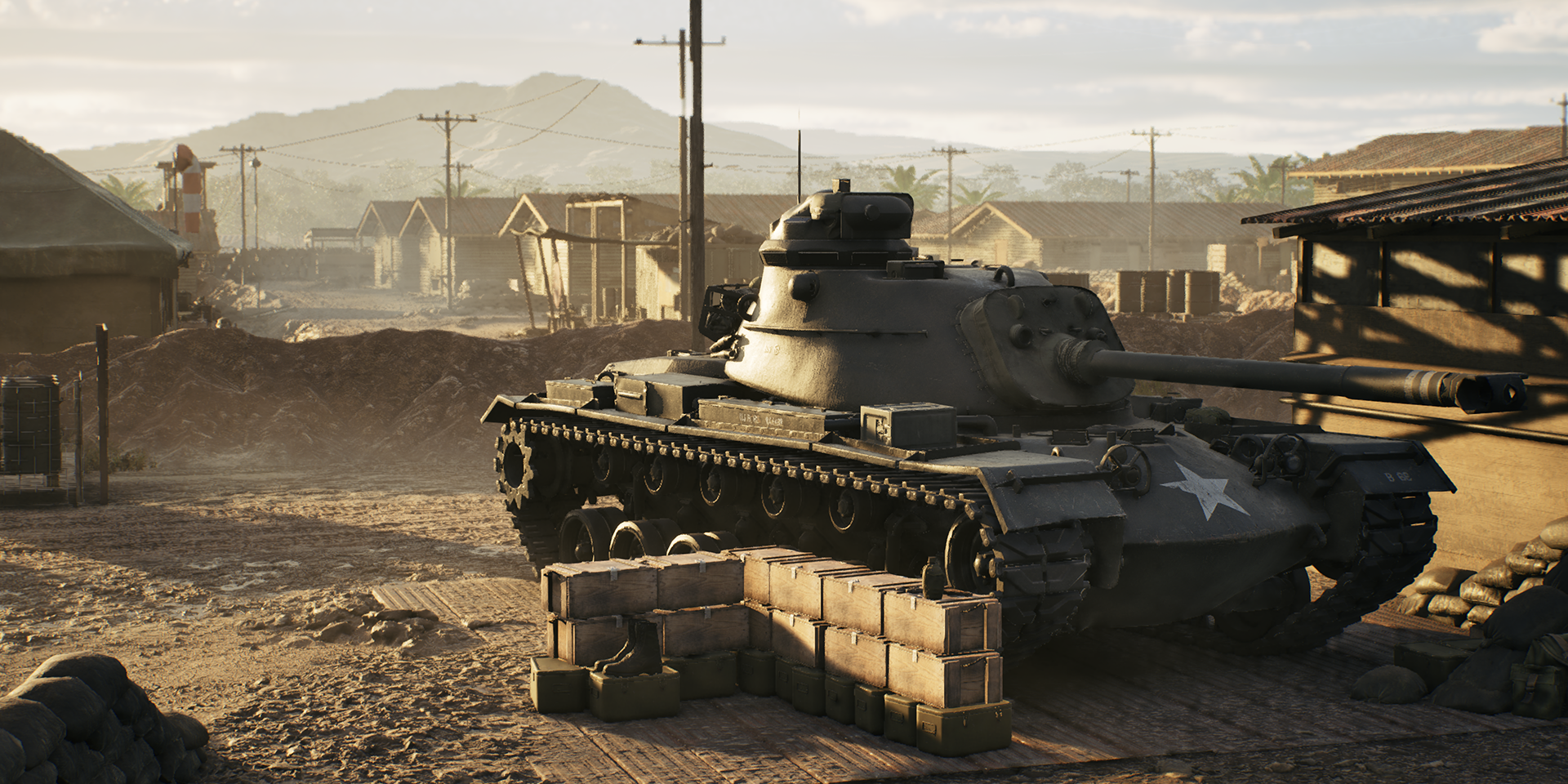
Recon roles are for information, disruption, and precision pressure. Armour roles need coordination between commander, crew, infantry cover, and map awareness. Helicopter roles are US-only and matter for movement, logistics, and aerial support.
Mortar squads add indirect fire and need good communication. A mortar team without callouts wastes ammunition; a coordinated one can punish clustered enemies, objectives, and defensive positions.